


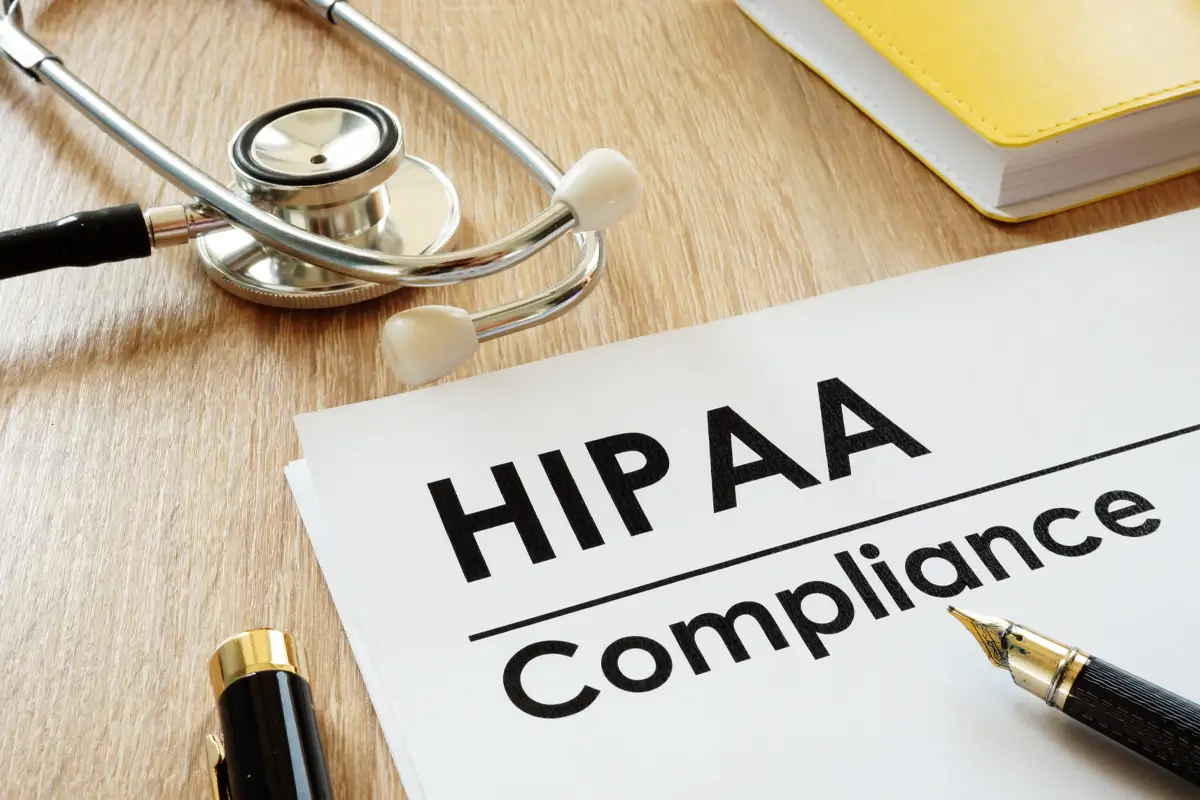
How to Maintain Compliance with HIPAA and PHIPA: A Guide for Healthcare Clinics
Ensuring compliance with healthcare privacy laws like HIPAA (Health Insurance Portability and Accountability Act) and PHIPA (Personal Health Information Protection Act) is a critical responsibility for healthcare clinics operating in Toronto and across Canada. These regulations protect patients’ personal health information (PHI) and set strict guidelines for how healthcare providers must handle sensitive data to maintain trust and avoid costly penalties.
This guide covers the essentials of maintaining HIPAA compliance Toronto and PHIPA healthcare clinics must know to achieve effective healthcare IT compliance.
Understanding HIPAA and PHIPA
What is HIPAA?
HIPAA is a U.S. federal law that safeguards patient health information by regulating how covered entities and their business associates use, disclose, and protect PHI. It applies broadly to healthcare providers, insurance companies, and clearinghouses, overseeing privacy (Privacy Rule), security (Security Rule), and breach notification (Breach Notification Rule).
Though HIPAA is U.S.-based, many Canadian clinics working with U.S. patients or partners need to meet its standards. HIPAA compliance requires:
- Protecting electronic, paper, and verbal PHI
- Ensuring administrative, physical, and technical safeguards
- Maintaining Business Associate Agreements (BAAs) with vendors
- Notifying patients and regulators of breaches in a timely manner
What is PHIPA?
PHIPA is Ontario’s provincial legislation focused on protecting personal health information within the healthcare sector. It defines the responsibilities of health information custodians (HICs)—such as clinics and doctors—and their agents in collecting, using, and disclosing PHI appropriately.
PHIPA compliance mandates:
- Policies for collection, use, disclosure, and protection of PHI
- Maintaining accurate and up-to-date patient records
- Providing rights for individuals to access and correct their information
- Conducting privacy impact assessments and risk mitigation
- Reporting breaches promptly to patients and the Information and Privacy Commissioner (IPC)
Key Steps for Maintaining Healthcare IT Compliance
-
Identify Applicable Laws and Scope
- Determine if your clinic is subject to HIPAA, PHIPA, or both depending on your service area and patient base.
- Understand which types of PHI your organization handles and ensure coverage under the respective laws.
- Recognize your role as a covered entity or health information custodian.
-
Develop and Implement Policies
- Create formal privacy and security policies tailored to your clinic’s workflows, outlining how PHI will be collected, used, disclosed, and safeguarded.
- Include procedures for breach prevention, detection, reporting, and employee training.
-
Train Your Staff
- Ensure all employees, contractors, and volunteers understand their privacy obligations and best practices for protecting PHI.
- Use role-based training modules, including phishing awareness and incident reporting processes.
-
Use Technical Safeguards
- Encrypt PHI stored and transmitted electronically.
- Implement multi-factor authentication (MFA) to restrict access.
- Conduct frequent software updates and patch management to close vulnerabilities.
- Use secure patient portals and communication channels to enhance confidentiality.
-
Maintain Accurate and Accessible Records
- Keep PHI up to date, prioritizing clinical information accuracy.
- Facilitate patient rights to access and request corrections to their health information promptly.
-
Conduct Regular Risk Assessments
- Perform privacy impact assessments and security risk analyses annually or when workflows change.
- Identify and remediate potential vulnerabilities proactively.
-
Monitor Third-Party Compliance
- Evaluate and document the privacy and security practices of all vendors and business associates with access to PHI.
- Establish written agreements to hold third parties accountable for compliance.
-
Establish Incident Response Protocols
- Develop clear procedures for immediate investigation and containment of any suspected or confirmed breaches.
- Notify affected individuals and regulators in accordance with legal requirements.
Why Healthcare IT Compliance Matters for Clinics in Toronto
Compliance isn’t just about regulatory adherence—it’s integral to patient trust, business reputation, and operational reliability. Non-compliance risks include:
- Financial penalties reaching millions of dollars
- Lawsuits and class action claims
- Loss of patient confidence and referrals
- Disruption in clinic operations and data loss
Toronto clinics uniquely face additional challenges due to the region’s diverse population and cross-border healthcare interactions, making a comprehensive compliance program essential.
How Dynamic IT System Supports Your Compliance Journey
As a trusted Toronto-based healthcare IT provider, Dynamic IT System offers:
- Custom HIPAA and PHIPA compliance consulting
- Secure IT infrastructure design meeting privacy and security standards
- Staff cybersecurity training tailored for healthcare practitioners
- Continuous monitoring and risk management to maintain compliance
- Support with breach response and regulatory reporting
Conclusion
Maintaining HIPAA compliance in Toronto and adhering to PHIPA requirements in Ontario healthcare clinics requires a carefully structured program combining policy, technology, staff training, and ongoing risk management. Clinics that invest in robust healthcare IT compliance reduce risks, safeguard patient data, and build lasting trust.
For Canadian clinics looking for expert guidance and solutions, partnering with a dedicated healthcare IT compliance specialist like Dynamic IT System is a crucial step toward operational confidence and regulatory peace of mind.
Contact Dynamic IT System today to learn how we can help your healthcare clinic succeed with HIPAA and PHIPA compliance through tailored IT services and cybersecurity training.

